
Interior lighting in the home: how to improve your spaces
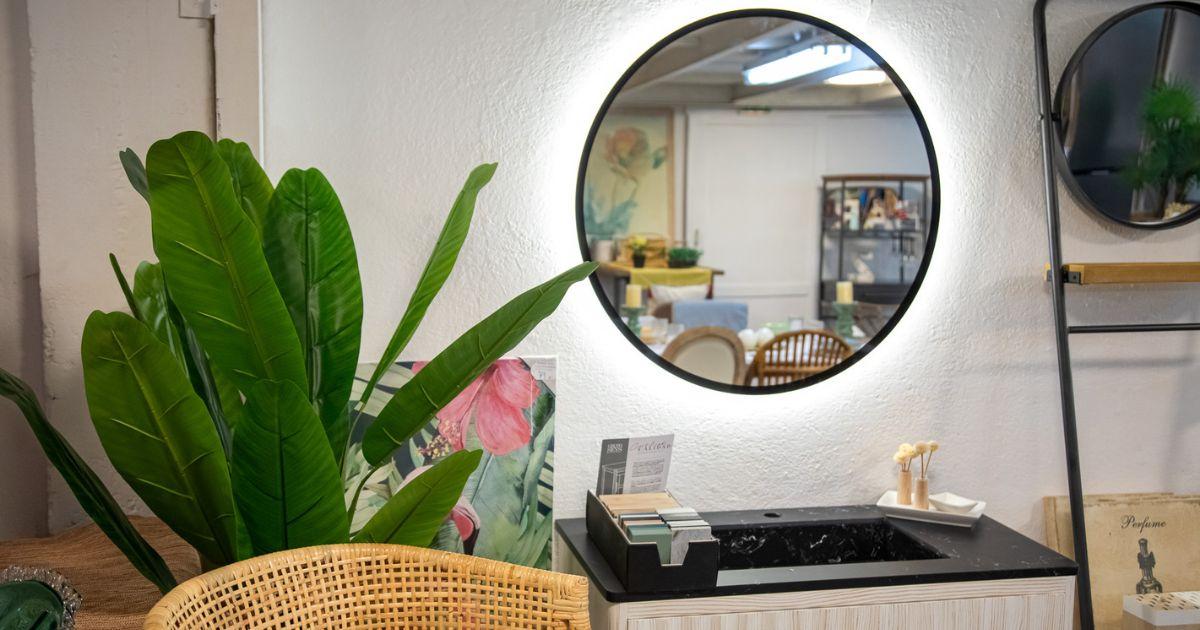
Interior lighting in the home is one of the most important aspects of interior design, although it often gets less attention than it deserves. Good lighting doesn't just let you see properly; it has a direct influence on your mood, your comfort and the way you perceive a space.
A well-lit home feels cosier, more spacious and more functional. By contrast, poor lighting can make even the most beautifully decorated home look dull, small or uncomfortable.
That is why planning your interior lighting properly is essential to creating pleasant interiors that are tailored to the real needs of each room.
Interior lighting in the home and why it matters
Interior lighting in the home serves several purposes at once. It lets you carry out everyday activities such as reading, cooking or working, but it also has a very important aesthetic role.
The right light brings out colours, materials and furniture, whereas poor lighting can completely spoil your decor. Light also affects our psychological wellbeing: a well-lit home conveys a sense of calm, order and comfort.
It is also important to bear in mind that every room needs a different kind of lighting. Lighting a bedroom is not the same as lighting a kitchen or a living room.
Types of lighting in the home
There are three main types of lighting, and they need to be combined properly to achieve a balanced result.
General lighting is what lights the whole room. It usually comes from ceiling lights, flush-fitting ceiling fixtures or recessed spotlights.
Task lighting is used for specific areas where particular tasks are carried out, such as reading lamps, under-cabinet lights in the kitchen or wall lights in the bathroom.
Decorative lighting has an aesthetic purpose. It is used to create atmosphere, highlight decorative features or add warmth, for example LED strips, table lamps or indirect lighting.
The key is to combine these three types of interior lighting in the home to achieve spaces that are both functional and visually appealing.
How to light each room properly
Every area of the home has different needs.
In the living room, we recommend soft general lighting, combined with floor or table lamps to create a cosier feel.
In the kitchen, the lighting should be brighter and more direct, especially in work areas. Lights beneath the wall units are very practical.
In the bedroom, the ideal is a warm, relaxing light, with bedside lamps that let you read without disturbing anyone.
In the bathroom, good lighting at the front of the mirror is essential, avoiding shadows that make everyday use more difficult.
Planning your interior lighting in the home room by room makes a noticeable difference to comfort.
Natural light and artificial light
Making the most of natural light should always be the priority. Windows, light curtains and mirrors help to spread light better throughout the day.
Artificial light should complement natural light, never replace it entirely. In the evening, it is best to use warm lights in resting areas and more neutral lights in work areas.
A good balance of natural and artificial light improves your quality of life at home.
Common mistakes in home lighting
One of the most common mistakes is using a single light source in each room. This creates shadows, dark corners and an unwelcoming atmosphere.
Another frequent mistake is choosing lights that are too cool for resting areas, or too warm for work spaces.
It is also common to overlook the height of lamps, which can cause glare or inefficient lighting.
Avoiding these mistakes can noticeably improve the interior lighting in your home without the need for major renovation work.
Lighting as a decorative element
Lamps are no longer just functional objects, but decorative pieces too. There are modern, classic, industrial and minimalist designs to suit any style.
A well-chosen lamp can become the visual focal point of a room and give the space real personality.
In addition, LED strips and indirect lighting make it possible to create very attractive visual effects, especially in living rooms, bedrooms and hallways.